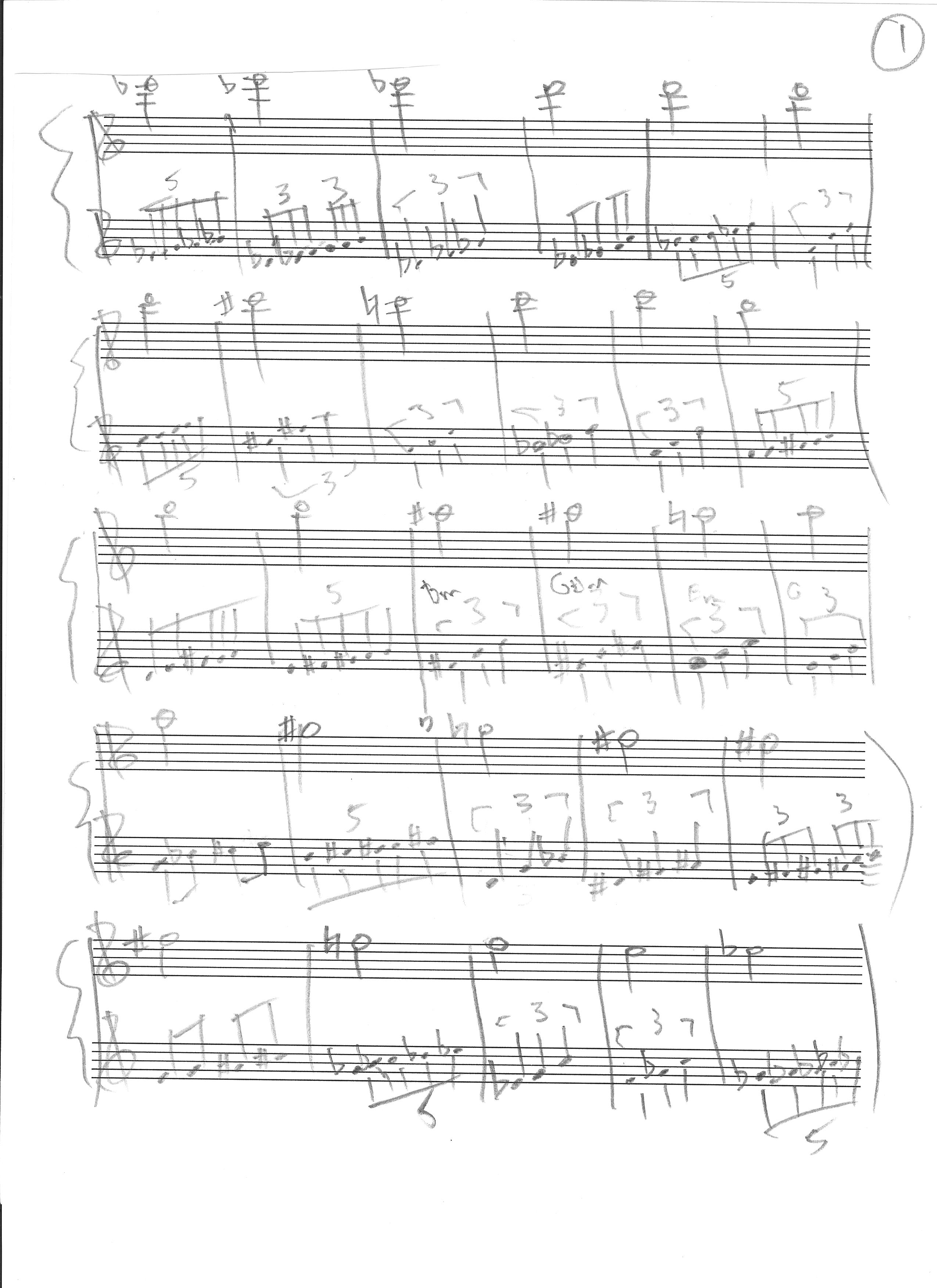
Sketch for my new suite for toy piano
I have just finished a suite for toy piano, the first concert work I have been able to complete in many years. I am dedicating the work to John Cage, in honor of his centennial next year. Cage wrote the first concert piece for toy piano, and that is one reason I am dedicating my work to him.
More importantly, Cage’s philosophies and his compositions have become increasingly meaningful to me in recent years. As a further homage to him, I decided to select the title of my work and its five movements by randomly picking pages from Cage’s first collection of essays, Silence, and counting words down that page. I used this random number generator to select pages and the number of words I needed to count to reach my “target” titles. The title for my composition produced by this random method (plus a little editing on my part): Anything Therefore is a Delight.
For the last movement, I had to go to p. 141 in Silence and count in 75 words.
That page in my copy is entirely blank!
The only words on the page are from the footer which notes the chapter of Silence: “Lecture on Something”
My solution? The movement will be called: [ ], or Something.
Update one year later: I’ve uploaded video performances of the five different movements of Anything Therefore is a Delight on Youtube. Below you can listen and watch one possible realization (out of many) of my suite. There are six separate videos, so if you want to hear the complete work, let the videos play until the end.
For a copy of the score, click here.
Read about the premiere, see a video excerpt, and learn what devious notions slithered through my cerebrum as I composed this work. All you have to do is click this.

This substance may enhance your classical music listening experience
I am unworthy to fill Alan Rich’s shoes at the LA Weekly. So I’ll just fill a bowl instead.
My first story at the LA Weekly blog, West Coast Sound: the best classical music concerts at the Hollywood Bowl to experience while high
The internet meme:
Don’t take too long to think about it. Fifteen movies you’ve seen that will always stick with you. First fifteen you can recall in no more than 15 minutes.
I took “Fifteen movies…that will always stick with you” at face value. (How could a movie that you have not seen stick with you?) These may not be my favorite movies, but they all were somehow memorable/important to me at the time I saw them.
THE UGLY DACHSHUND: The earliest movie I can recall going to see. To this day I have a grudge against wiener dogs because of the scene where they trash a room in their house and frame that poor Great Dane.
MOTHRA: I spent way too many hours watching stupid Japanese monster movies. Who thought of this stuff? A giant caterpillar wrecking Japan? When the military think they have it beat, it bursts out of its cocoon and becomes an even more destructive moth? Those two Japanese chicks in the wooden box like a little proscenium stage? And my little sister, blubbering nonstop because she thought the Saturday night horror movie on TV was the evening news.
THE GODFATHER: First adult movie I ever saw. Mom got upset when Michael Corleone’s Sicilian bride showed her breasts to him, but she never said anything when Sonny got drilled with over a hundred bullets at that tollbooth.

My mother: “Don’t look, Chris!”
BLAZING SADDLES: I begged my parents to take me to see this, because my friends had seen it. Mom and Dad sat there in shock. I loved it, but tried not to laugh too hard.
MONTY PYTHON AND THE HOLY GRAIL: Overeducated silliness taken to a sublime level.
DUCK SOUP: I’d seen the Marx Bros. on TV, but this was the first time on the big screen. I literally wet my pants from laughing so hard.
2001: Mind blowing in the early ’70’s, and still a touchstone for science fiction films.

NIGHT OF THE LIVING DEAD: Saw it on Pittsburgh TV, uncut. Shocked the hell out of me, and gave me nightmares for months afterwards. Click on the nasty character below to watch the whole damned movie for free over at The Internet Archive!

From the opening cemetery sequence in Night of the Living Dead.
ANNIE HALL: I’d seen previous Woody Allen movies, but this one really captivated me and made me laugh. 15 years later I saw Amarcord and realized how much Allen stole, I mean borrowed, from Fellini.
ERASERHEAD: $1 midnight show in Ann Arbor my freshman year at U of M. My friends and I sat through the whole time in disbelief, every few minutes saying, “I can’t believe I’m watching this. Let’s get out of here.” Interestingly enough, we stayed through to the end. Carried some of those images around with me for 20 years, saw it again a few years ago, and instead of confusion, really enjoyed it.
TAXI DRIVER: On a double bill with Mean Streets. Changed my attitude about what a movie could be.
THE LAST DETAIL: “Everybody’s old enough for a beer.” For better or worse, Jack Nicholson in all his testosterone-crazed glory taught me and my friends about manhood.
BEHIND THE GREEN DOOR: If you had to bushwhack through a quarter mile of thorns in the dark to sneak into an adult drive-in to see your first porn film, you’d remember that too. Plus, the scene on the trapeze… You kids have it so easy today with your internet porn. When I was a teenager, it took a lot of planning and work to see a little hardcore action.

How does Marilyn Chambers get those stains out? With Ivory Snow!
FANNY AND ALEXANDER: The movie that really turned me on to foreign films, and that showed me that a movie could be a work of art as great as a Shakespeare play or a Beethoven symphony.
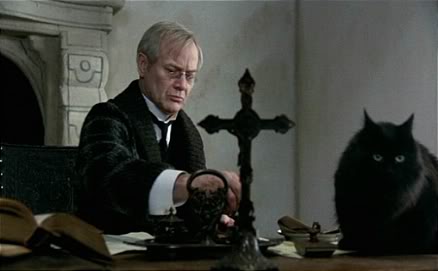
One of the biggest dicks in cinematic history: Bishop Edvard Vergerus, chillingly played by Jan Malmsjö
THE WILD BUNCH: Didn’t see this until the early 90’s when it was re-released with restored footage. Amazing combination of action, male bonding, and morality: When you can’t tell who the good guys and the bad guys are, how do you make an ethical decision?
My report on the first evening of this year’s soundON festival at the La Jolla Athenaeum
David Toub’s dharmchakramudra
For an objective review of the first two sets of the second evening, click here.
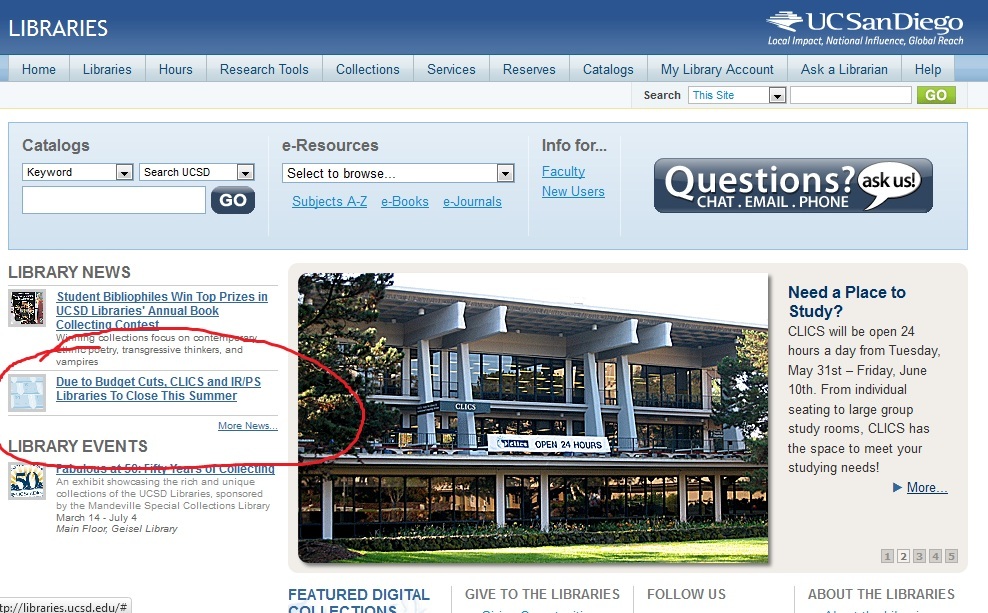
Hey kids! Study at CLICS! Wait, what's that press release on the side say? Click on CLICS to read more!
Last week director Tim Burton released this footage he shot for his first feature length film, Pee Wee’s Big Adventure. There were going to be humorous sequences depicting the chaos and unrest around the world caused by the theft of Pee Wee Herman’s vintage Schwinn bicycle. This was the scene that took place in Russia.
Tobe Hooper made his cult horror film, The Texas Chainsaw Massacre, in 1973. Dmitri Shostakovich, who passed away in 1975, wrote 15 film scores. What would have happened if Mr. Hooper had convinced Mr. Shostakovich to write the music to his film?
What do you get when you leave a bunch of cats with a Jesuit? If that scholar happened to be Athanasius Kircher, he devises a keyboard instrument that plays melodies by pulling cat tails. Behold, the Katzenklavier:

This is what happens when Roman Catholic priests and brothers are denied pussy–they overcompensate.
Wikipedia’s entry on the Katzenklavier points out a novel use for this instrument (as if making music from the pain and suffering of cats was not unique enough): it was used to treat attention-deficit disorder.
The instrument was described by German physician Johann Christian Reil (1759–1813) for the purpose of treating patients who had lost the ability to focus their attention. Reil believed that if they were forced to see and listen to this instrument, it would inevitably capture their attention and they would be cured.
Lest you think the Wikipedia article an internet prank, the summary quoted above is based on a 1998 paper published by University of Chicago professor Robert J. Richards in Critical Inquiry. J.C. Reil came up with an “improvement” for the mechanism–instead of pulling the tails of the entrapped cats, a depressed note on the keyboard would stab a sharp nail into the tail of the cat with the correspondingly pitched scream.
You can read Richards’s article in Critical Inquiry here.
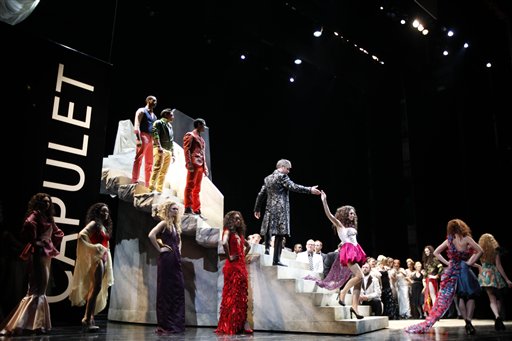
"O, Charles Gounod, Charles Gounod! Wherefore art thou, Charles Gounod?"
While in Philadelphia for a conference last February, I decided to go to the opera. As a young man, I lived in West Philly for 2 years, and while I saw plenty of orchestra concerts in the Academy of Music, I had never seen an opera production there.
It was opening night for the Philadelphia Opera Company’s staging of Roméo et Juliette by Gounod. I was surprised to see so many empty seats (I sat in the Balcony Circle). I eventually realized that all those empty seats—small circles of unoccupied chairs dotting the entire level, from left to center to right—were due to the view-obstructing columns that support the next level. Anyone unfortunate enough to purchase one of these seats would spend the entire evening stretching to the left or right to see what the hell was occurring on stage. I sat in the center of the section, next to one those empty seats, and extreme stage left was blotted out for the entire show. The empty seat made a convenient coat rack.
The director, Manfred Schweigkofler (I believe his last name in English translates as “head like Swiss cheese”), was considerate enough to block the singers towards the center, so the column was never in my way.
Perhaps I would have been better off seated behind one of those posts. Then I would not have had to look at the stupid updating of Roméo et Juliette, or Romeo & Juliet, as POC translated it. The Capulets and the Montagues, you see, were rival designer firms in Verona. Juliet was the superstar model of the Capulets. Romeo was—well, I don’t know what the hell he was supposed to be. Maybe a junior account executive?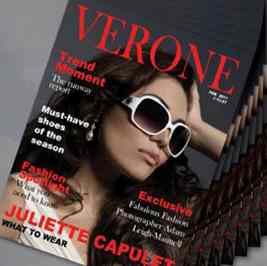
Had Schweigkofler really thought through the implications of updating R&J as star-crossed employees of rival corporations, he might have created an interesting evening. Unfortunately, his reconception was the typical half-assed Regietheater practiced by American opera companies: get an abstract set that you can twirl around to become different locations, throw in a few modern references (Friar Tuck gives Juliet her potion in a martini glass; Juliet is on the cover of magazines; paparazzi rush forward to snap photos of Juliet’s fresh corpse), and, Presto! Look everybody! We’re modern, we’re hip, we’re sick!
Unfortunately, these Eurotrash touches provoked more giggles than nods of intellectual approval. Pity, because the production was well sung by young singers who actually looked their parts. The orchestra sounded good, and the chorus work excellent. Another American operatic feast for the ears ruined by the directorial equivalent of Moe Howard poking his index and middle fingers into one’s eyes.
I was impressed by how, well, polite Philadelphians were in the opera hall. Flyers, Eagles, and Phillies fans make their feelings clearly and loudly known, so I was surprised at how reserved their opera-going geographical brethren were. Unlike every other opera audience, Philadelphians didn’t applaud as soon as the soprano or tenor cut their notes off. Wow. We actually got to hear the music that the composer wrote after the tenor’s high B-flat. That was nice.
I waited until the final curtain call just so I could boo the director when he came out, and I did so heartily. It’s an American tradition—boo the director and designers of a bad Regietheater production on opening night. I was the only person in the hall that booed. That earned the respect and admiration of people seated around me, who smiled at me in approval. One of them even applauded me, saying, “Bravo for you!” Sweet. Now I can brag that I got a “bravo” at the Academy of Music.
My review is up over at Sequenza21.
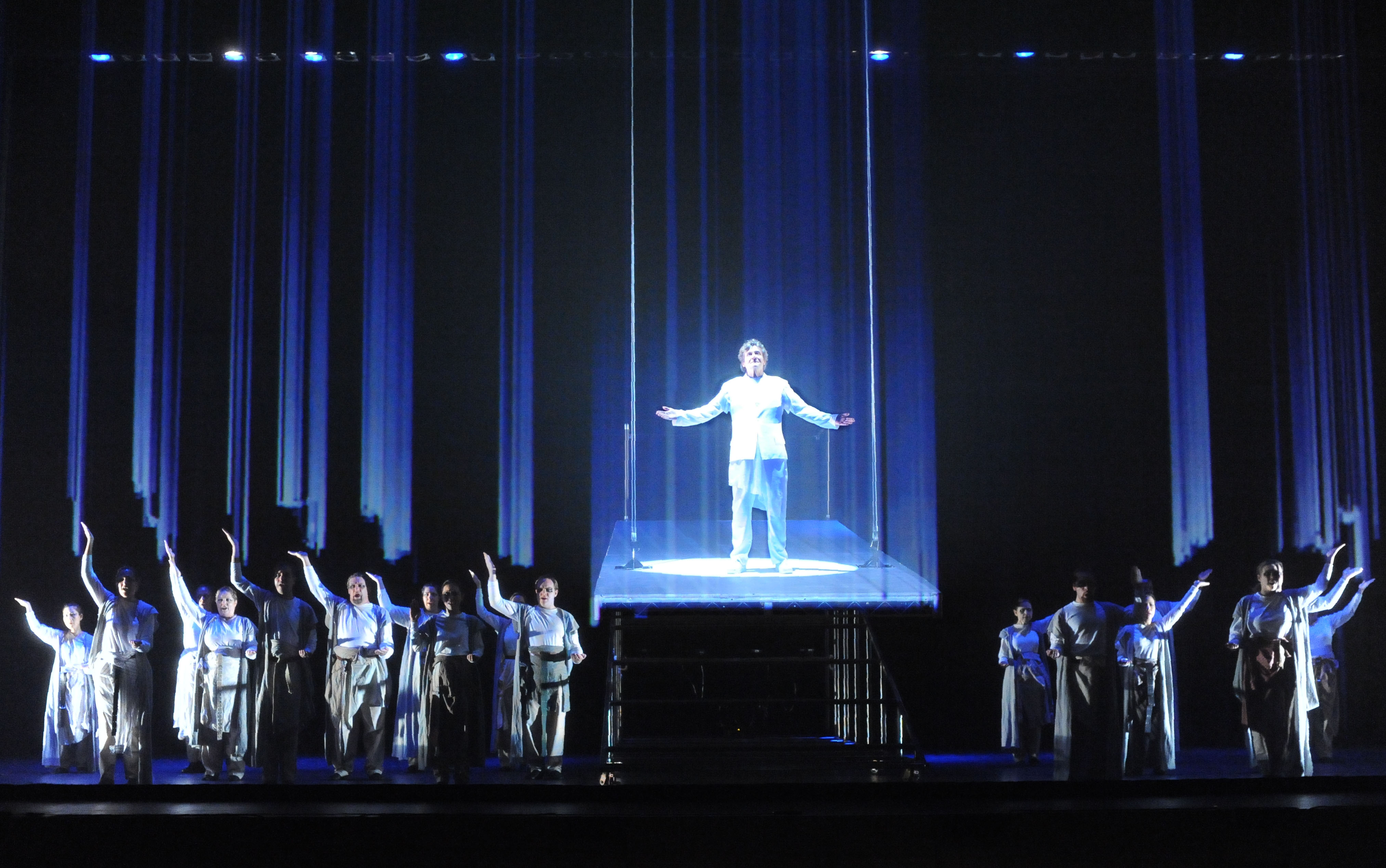
Jurgen Kowalski (center) with chorus
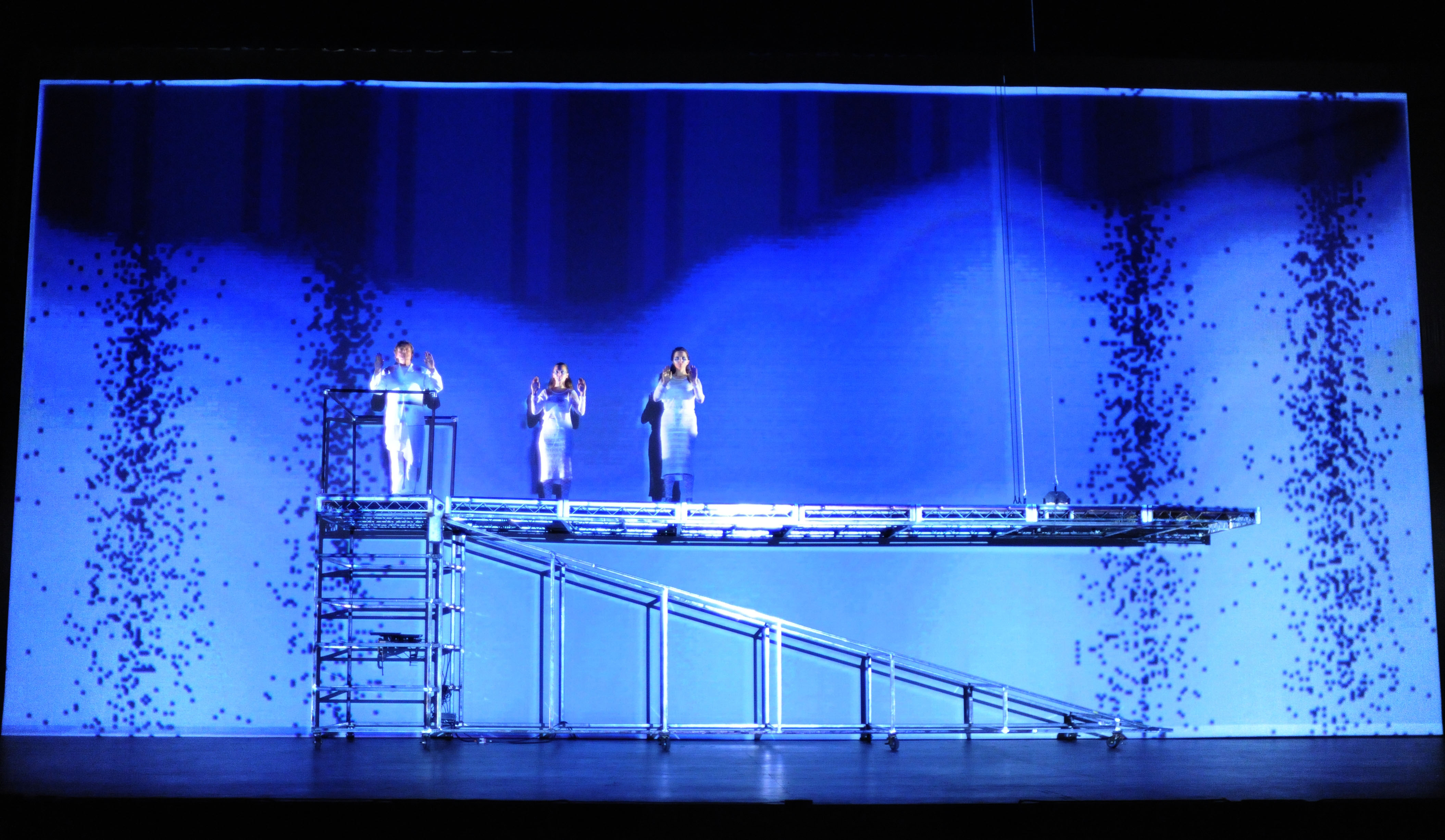
Akhnaten, Nefertiti, and Queen Tye prepare to enter the afterlife

 Bloghead